Furnace Short Cycling? Time the Shutoff Before You Replace Anything
A furnace that fires up, runs for a few minutes, and shuts off before the house reaches temperature is a different problem from a furnace that will not light — and a different problem again from one that quits a few seconds after the burners catch. All three get described the same way over the phone, and all three get diagnosed correctly by doing one thing first: timing it.
How long the burners stay lit before the shutoff is the most useful piece of information available, and it costs nothing to collect.
Start With the Clock
| How Long the Burners Run | Where to Look |
|---|---|
| Never light at all | Ignitor, pressure switch, or gas valve |
| 3–10 seconds, then out | Flame sensor — not proving flame |
| Several minutes, blower keeps running after | High limit trip — almost always airflow |
| Reaches setpoint quickly, cycles often | Oversized furnace or thermostat placement |
| Shuts down hard and will not restart | Rollout switch — stop and investigate |
The third row is what most people mean by short cycling, and it is where the rest of this guide focuses. The telltale detail is that the blower keeps running after the burners go out — that is the furnace deliberately dumping heat out of a cabinet that got too hot.
The High Limit Switch Is the Messenger
The high limit is a normally closed switch mounted in the supply plenum or on the heat exchanger. If plenum temperature climbs past its setpoint, it opens, which closes the gas valve and stops combustion while leaving the blower running to carry the accumulated heat away. Once things cool, it resets itself and the furnace tries again.
That cycle — fire, overheat, cut out, cool, repeat — is the furnace protecting its own heat exchanger. The switch is doing its job correctly.
This is the same trap as a pressure switch fault: the control board reports the switch, the switch tests fine, and the actual problem is upstream. A furnace overheats for one fundamental reason — it is producing more heat than the airflow can carry away. Nearly every cause traces back to air.
What's Restricting the Air
Roughly in order of how often it turns out to be the answer:
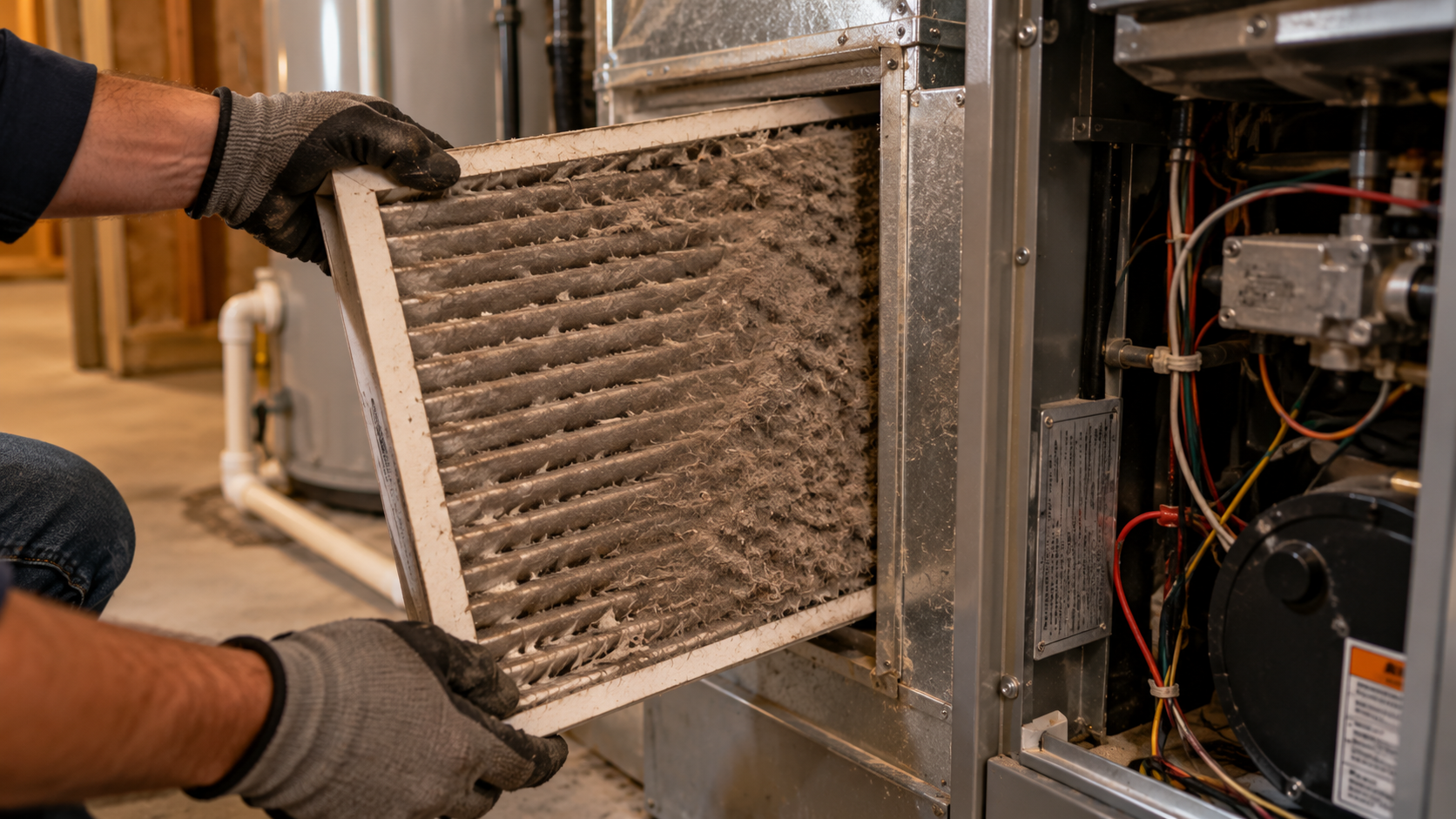
- A clogged air filter. The single most common cause of this complaint, and the first thing to check every time. A filter left in through a full heating season can choke airflow enough to trip the limit on its own.
- A dirty blower wheel. Badly underrated. The squirrel-cage blades load up with a felt-like dust layer that destroys their ability to move air, while the motor runs at normal speed and sounds completely healthy. A clean-looking filter does not rule this out — years of marginal filtration get deposited here.
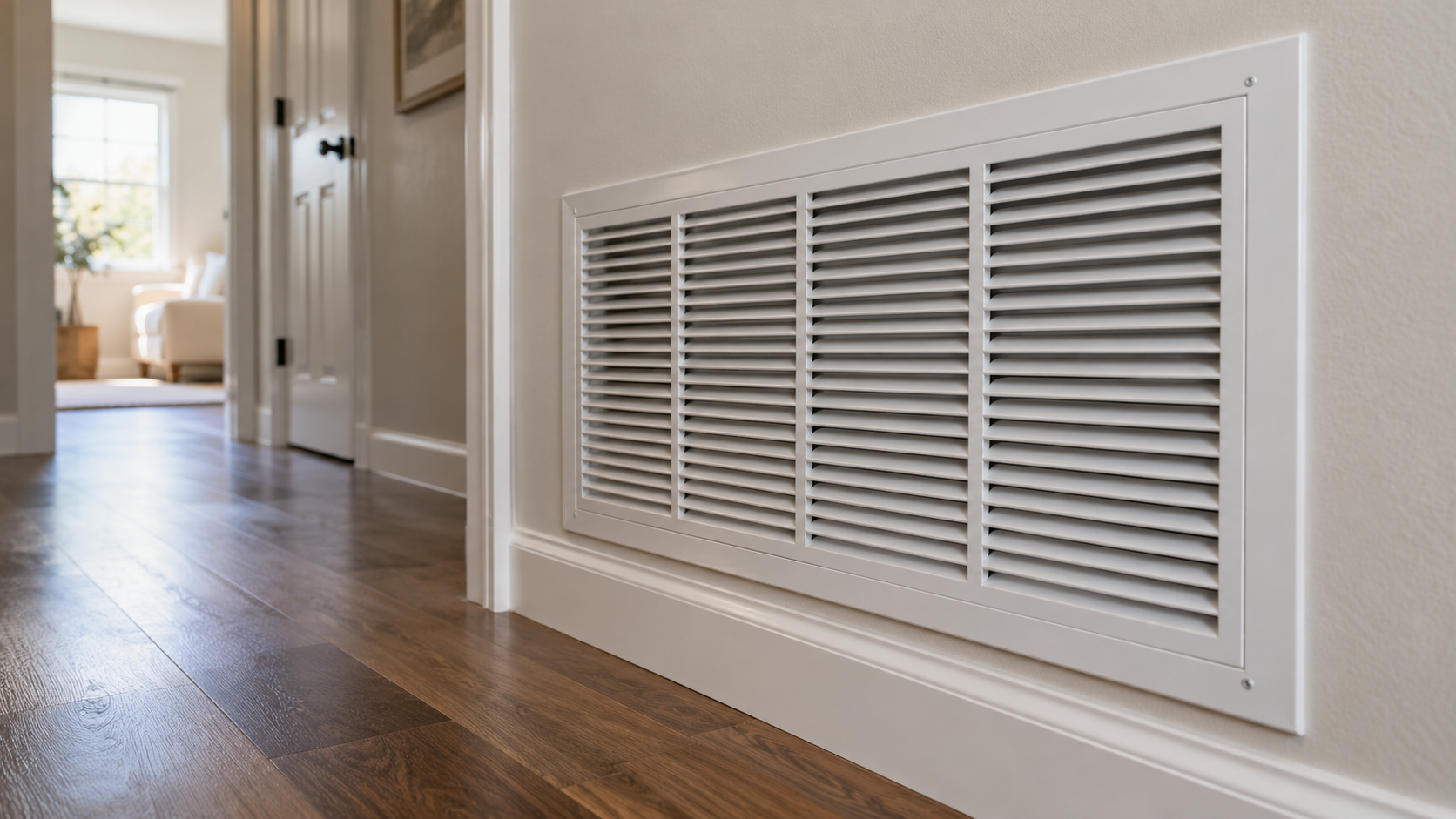
- Closed or blocked supply registers. Furniture over a vent, or registers deliberately closed to "save energy," raises static pressure and cuts total airflow. This is the mechanism behind the common advice that closing vents damages equipment — the high limit trip is how that damage announces itself.
- Undersized or obstructed return. The return side limits the whole loop. A single return grille that whistles under load is undersized for the air the system needs.
- Crushed, kinked, or disconnected ductwork. Common in attics and crawlspaces, and it reduces delivered airflow even when everything at the furnace looks correct.
- A weak blower motor or failing run capacitor. A motor turning slower than rated moves proportionally less air. The capacitor is the cheaper part and should be checked first.
- Blower speed set too low for the system's actual static pressure — a commissioning error that can sit undetected for years until a filter change pushes it over the edge.
- The limit switch itself. Switches do fatigue and drift out of calibration, but this belongs last. Replacing a limit switch on a furnace with a restricted filter removes the protection without fixing the overheating.
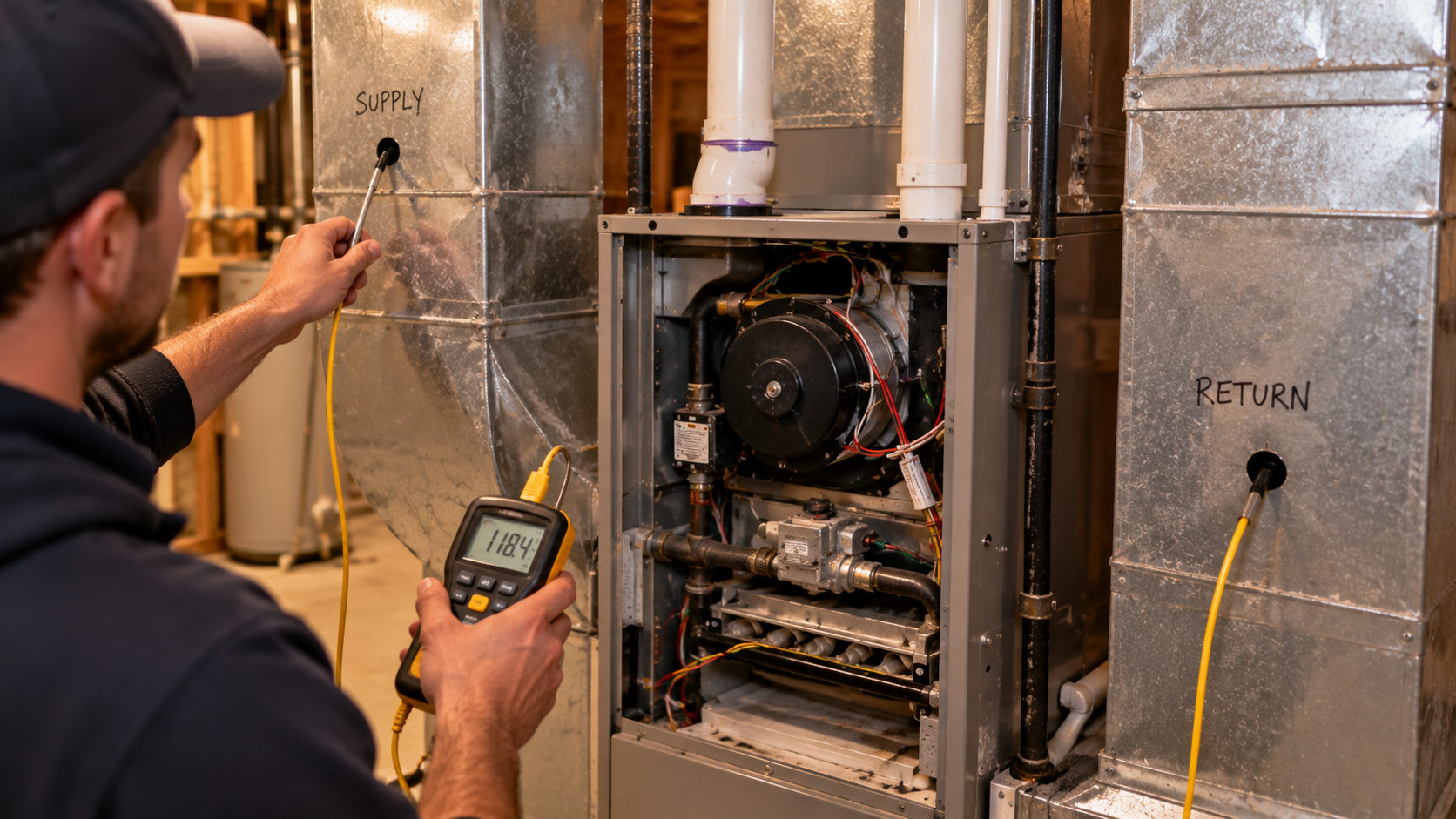
The Measurement That Settles It
Temperature rise is the professional diagnostic, and it converts guesswork into a number. Measure supply plenum temperature, measure return plenum temperature, and take the difference. Every furnace has an acceptable rise range printed on its nameplate.
- Rise above the nameplate range means insufficient airflow. The furnace is producing its rated heat and the air is not carrying it off — this is the overheating condition, confirmed.
- Rise within range means airflow is adequate, and the fault is more likely the limit switch, its wiring, or the control board.
- Rise below range points the other way: excessive airflow, or a furnace underfiring on gas pressure.
Nameplate ranges vary between models, so the furnace's own label is the reference rather than any general figure.
Pro Tip for Contractors: Pull the blower and inspect the wheel on any short-cycling call where the filter looks reasonably clean. A loaded blower wheel produces textbook high-limit symptoms with no obvious cause at the filter slot, and it is the reason a fair number of these calls get misdiagnosed as a failed limit switch or a bad board.
When It Is Not Airflow
Two causes do not respond to any airflow fix:
An oversized furnace satisfies the thermostat faster than the house can absorb the heat, so it runs short cycles by design. Nothing in the parts bin corrects this. It is worth naming honestly for a client rather than replacing components in sequence — the realistic remedies are equipment replacement at the correct capacity or, in some cases, staging and blower adjustments that soften the behavior.
Thermostat placement causes the same pattern for a different reason. A thermostat near a supply register, in direct sun, above a lamp, or on a wall with a draft reads a false temperature, satisfies early, and cycles the system unnecessarily. The furnace is fine; the sensor is lying to it.
The Switch You Should Never Just Reset
A rollout switch is a different device from the high limit, and it matters. It is typically manual-reset and mounted near the burner compartment, and it trips when flame or combustion gases escape where they should not — which points to a blocked flue, a failed inducer, or a cracked heat exchanger.
A furnace that shut down hard and will not restart until something is physically reset has likely tripped one of these. That is not a nuisance trip, and resetting it repeatedly to keep the heat on is genuinely unsafe. It calls for a technician and a combustion inspection.
Why It's Worth Fixing Promptly
Short cycling is not just an efficiency nuisance:
- Heat exchanger stress. Every cycle is a full thermal expansion and contraction. Compressing a season's worth of cycles into a few weeks accelerates metal fatigue and cracking.
- Ignitor wear. Ignitors are consumed by cycles, not hours. A short-cycling furnace burns through them.
- Efficiency loss. Each cycle carries a purge and warm-up penalty, so more cycles means more gas for the same delivered heat.
- Component wear. Blower motors, inducers, and relays all wear per start rather than per hour of running.
Frequently Asked Questions
How often should a furnace cycle normally?
It depends on outdoor temperature and how the system is sized, but a correctly matched furnace runs longer, less frequent cycles in cold weather and shorter ones in mild weather. Cycling every few minutes in the coldest part of winter — when the furnace should be running its longest — is the clearest sign something is wrong.
Can a dirty filter really shut my furnace down?
Yes, and it is the most common reason this happens. The filter is the easiest thing to check and the most frequent cause, which is why every diagnosis should start there.
My filter is clean and it still short cycles. What now?
Blower wheel next — it holds dust the filter missed over years and is invisible without pulling the assembly. After that, check for closed or blocked registers, verify the return is adequate, and take a temperature rise reading to confirm whether airflow is genuinely the problem.
Should I just replace the limit switch?
Only after confirming airflow is adequate by temperature rise. Replacing a limit switch that is correctly reporting an overheating condition removes a safety device and leaves the heat exchanger unprotected.
Is a short-cycling furnace dangerous?
Airflow-related limit tripping is the safety system working as intended, so the immediate risk is low — but the thermal stress shortens heat exchanger life, which is a safety component. A furnace that trips a manual-reset rollout switch is a different matter and should be looked at before it runs again.
Final Thoughts
Time the shutoff before touching anything. A few minutes of runtime with the blower continuing afterward is a high limit trip, which is an airflow problem until a temperature rise reading proves otherwise. Filter first, blower wheel second, registers and return third, capacitor and motor fourth — and the limit switch itself last.
Browse air filters, blower motors, capacitors, and temperature controls, or request a wholesale quote for heating season stock.